

Description
The Complete History of Amritsar – The Spiritual Soul of Punjab
Amritsar is one of the most sacred, historic, and culturally rich cities in India. Known around the world for its spirituality, Sikh heritage, colorful bazaars, delicious food, and warm-hearted people, Amritsar is more than just a city — it is an emotion deeply connected with faith, sacrifice, humanity, and Punjabi pride.
For centuries, Amritsar has remained the spiritual heartbeat of Punjab and the center of Sikh devotion. Every street, every prayer, and every historical corner of the city tells stories of courage, peace, service, and timeless traditions.
Foundation of Amritsar
The foundation of Amritsar was laid in 1577 by Guru Ram Das, the fourth Guru of Sikhism. Before the city was established, this land was covered with forests, open fields, and small ponds. Guru Ram Das Ji envisioned building a peaceful spiritual center where people from every religion, caste, and background could gather together equally.
Guru Ram Das Ji purchased the land and began excavating a sacred water tank that later became famous as the Amrit Sarovar, meaning “Pool of Nectar.” Around this holy sarovar, a small settlement started growing.
Historical Names of Amritsar
Over time, the city was known by different names during different periods of history:
Guru Ka Chak
Chakk Ram Das
Ramdaspur
Amritsar
Ambarsar / Ambarsariya
The city was originally called Ramdaspur, named after Guru Ram Das Ji. Later, the name Amritsar became popular because of the sacred Amrit Sarovar surrounding Sri Harmandir Sahib.
Development of Harmandir Sahib
After Guru Ram Das Ji, Guru Arjan Dev continued developing the city and completed the sacred sarovar. Guru Arjan Dev Ji also built Harmandir Sahib at the center of the holy pool.
The shrine was designed differently from many religious places of that time. Harmandir Sahib was built at a lower level to symbolize humility, and it was opened from all four directions to welcome people from every religion and community.
In 1604, Guru Arjan Dev Ji placed the Adi Granth Sahib inside Harmandir Sahib, making Amritsar the spiritual center of Sikhism. Today, the Golden Temple is one of the most visited spiritual places in the world.
Amritsar Through History
Throughout history, Amritsar witnessed invasions, struggles, sacrifices, and heroic moments. Sikh warriors protected the city and preserved its spiritual identity during difficult times.
The city also became an important center during India’s freedom struggle. One of the most emotional and tragic events in Indian history took place at Jallianwala Bagh on 13 April 1919, when British troops opened fire on thousands of innocent people gathered peacefully. The sacrifice of those martyrs became a turning point in India’s independence movement.
Amritsar is also closely associated with legendary Sikh figures like Maharaja Ranjit Singh, who beautified Harmandir Sahib with gold and marble, leading to the famous name “Golden Temple.”
Historic Gates of Amritsar
The old city of Amritsar was once surrounded by walls and historic gates that served as entrances to the city. Many of these gates still remain important landmarks of Amritsar’s heritage.
Famous Historic Gates
Hall Gate
Lahori Gate
Hathi Gate
Hakima Gate
Gilwali Gate
Lohgarh Gate
Rambagh Gate
Sultanwind Gate
Doburji Gate
Chatiwind Gate
Bhagtanwala Gate
These gates remind visitors of the old architectural beauty and historic identity of Amritsar.
Famous Streets, Gallis & Bazaars
The true charm of Amritsar can be experienced through its old streets, colorful bazaars, and traditional gallis filled with local life, history, food, and culture.
Famous Bazaars & Streets
Hall Bazaar
Heritage Street
Katra Ahluwalia
Katra Jaimal Singh
Guru Bazaar
Shastri Market
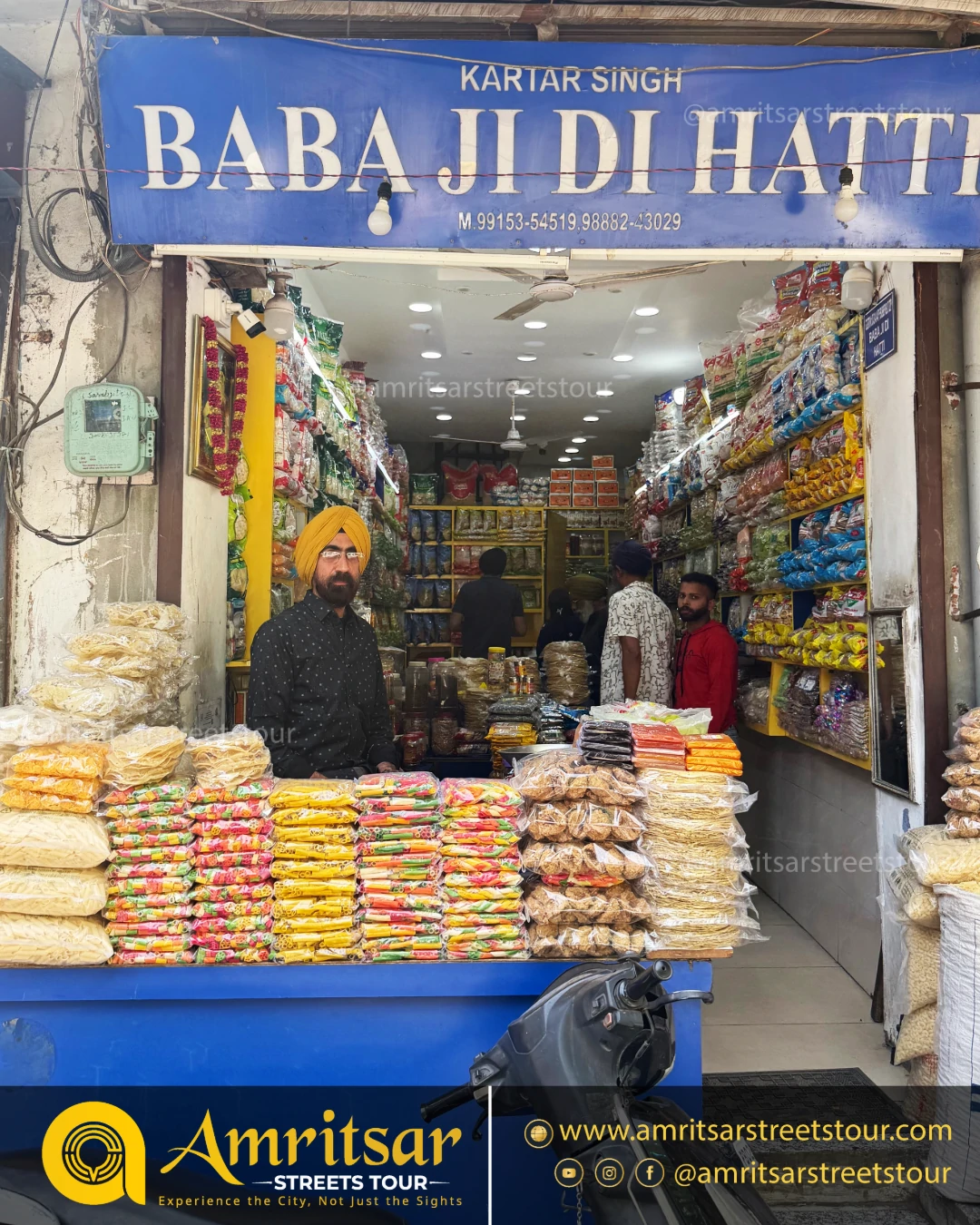
Papra Wala Bazaar
Bartan Bazaar
Ghee Mandi
Katra Sher Singh
Chowk Passian
Chowk Prag Dass
Chowk Karori
Chowk Moni
Gol Hatti Chowk
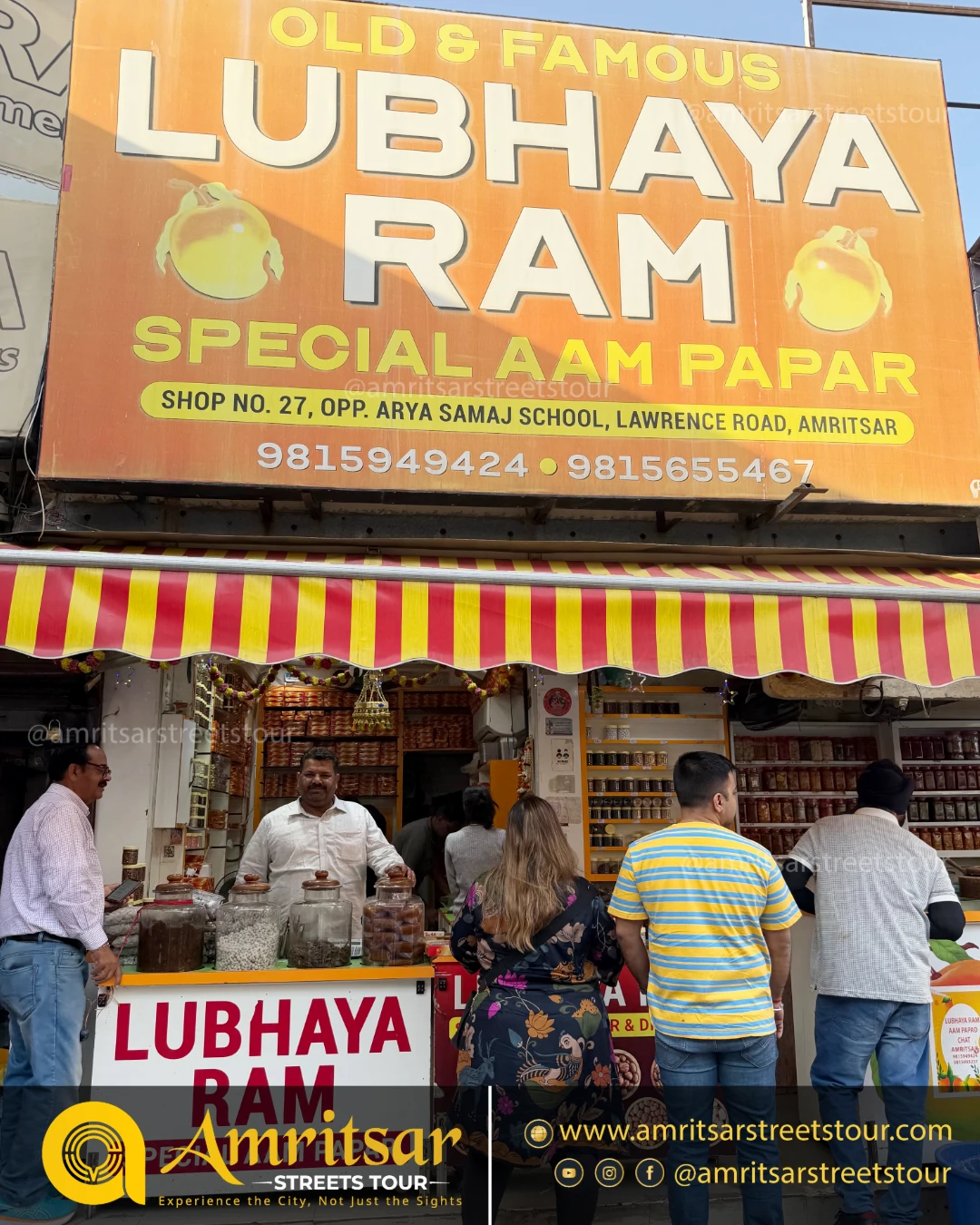
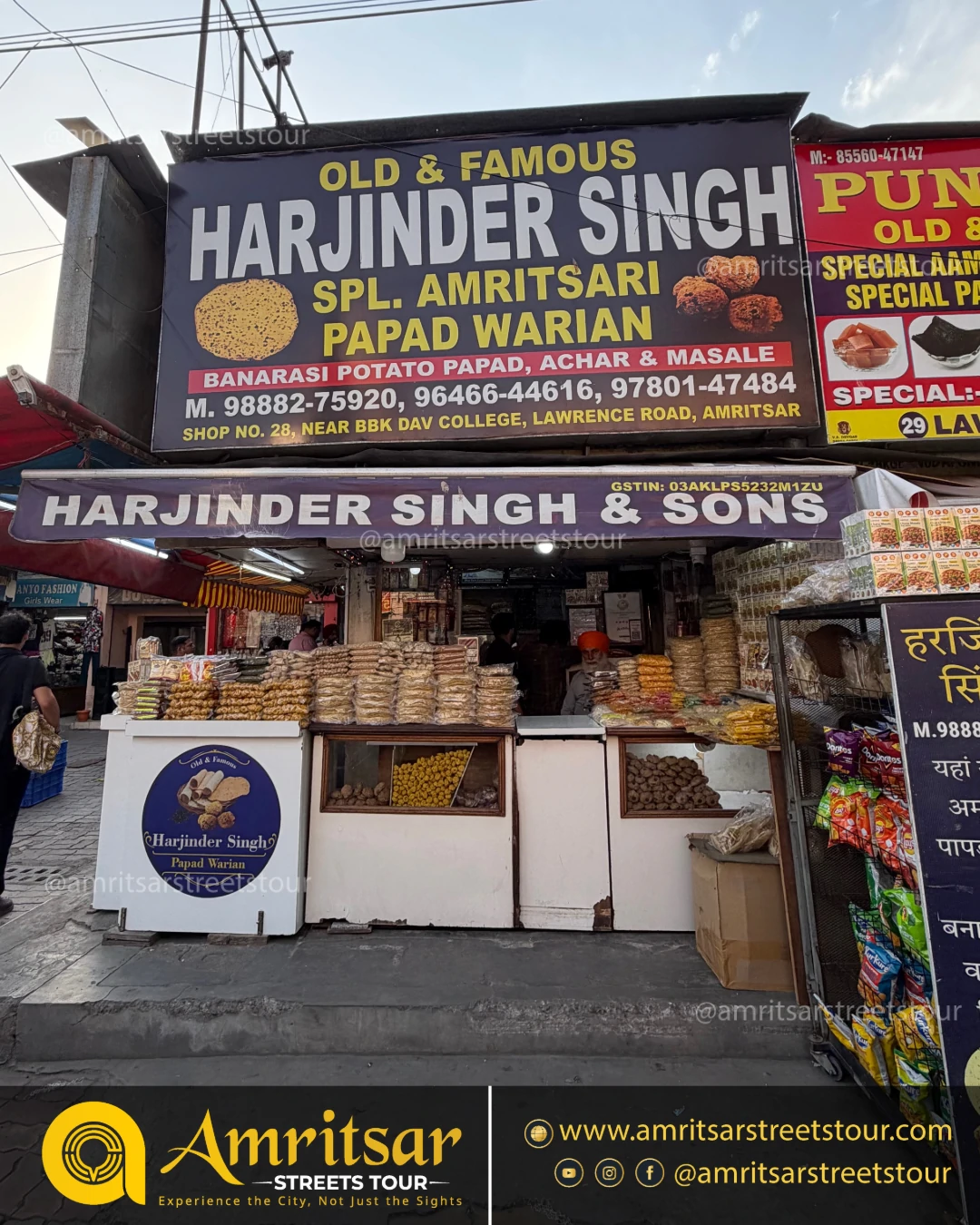
Lawrence Road
Queen’s Road
Cooper Road
Telegraph Road
Majitha Road
Batala Road
Sultanwind Road
Putlighar
Ranjit Avenue
Green Avenue
Chheharta Area
Islamabad Area
Rambagh Area
Company Bagh Area
Walking through these streets allows visitors to experience the real soul of Amritsar — the sound of Gurbani, the aroma of traditional Punjabi food, old architecture, bustling local markets, and the warmth of its people.
Culture & Food of Amritsar
Amritsar is famous worldwide for its rich Punjabi culture, hospitality, and food. The city is known for:
Amritsari Kulcha
Lassi
Chole
Street Food
Traditional Punjabi Markets
Phulkari & Punjabi Juttis
Religious Festivals & Nagar Kirtans
The city beautifully blends spirituality with vibrant daily life.
The Spirit of Humanity
One of the greatest symbols of humanity in Amritsar is the Langar at Sri Harmandir Sahib, where thousands of people are served free meals every day regardless of religion, caste, or nationality. This tradition represents equality, service, humility, and love for humanity.
Amritsar Today
Today, Amritsar is one of India’s most loved spiritual and tourist destinations. Millions of devotees and travelers visit every year to experience the peace of the Golden Temple, the emotions of Jallianwala Bagh, the patriotic atmosphere of Wagah Border, and the beauty of old Punjab.
The city continues to preserve its heritage while growing as a modern destination filled with history, devotion, culture, shopping, food, and unforgettable memories.
Amritsar is not just a city — it is a feeling of faith, a land of sacrifices, a home of blessings, and the eternal spiritual soul of Punjab that lives forever in the hearts of people around the world.

No reviews found.